Free home survey & written quote · Fitted bathrooms across England, Wales, Scotland & Northern Ireland0800 088 6341
Fitted Bathrooms
Showers & wet rooms

Shower installation: mixer, electric, power and digital

Shower installation is fitting a new or replacement shower: the valve or unit, the head and riser, the pipework and, where needed, the electrical supply, screen and tiling. The right type depends on your hot-water system, so a good installation starts by checking that.

From £450 inc VAThalf a day to 3 daysFree home survey
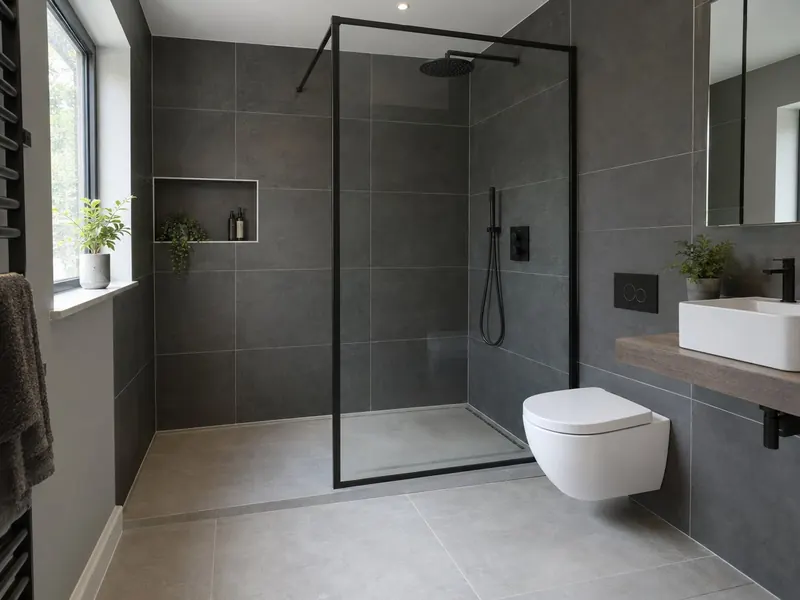
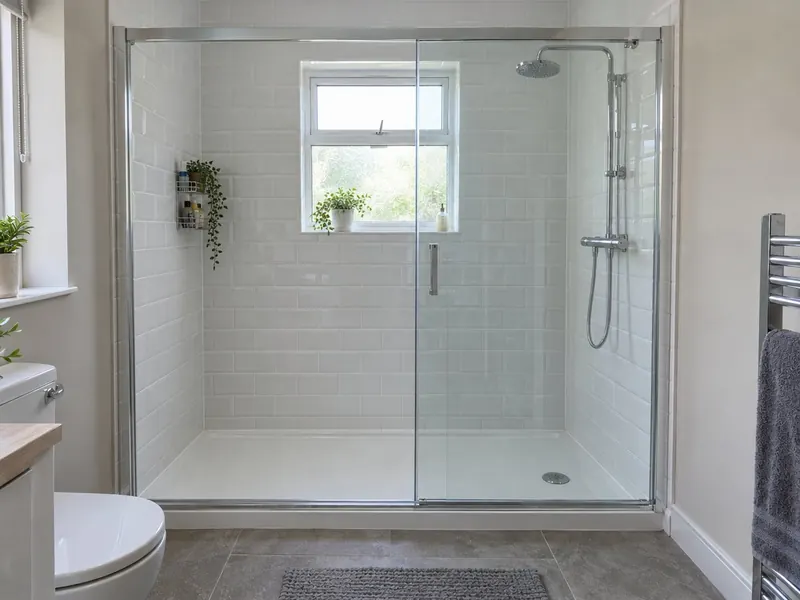
Thermostatic shower valve and rainfall head being installed

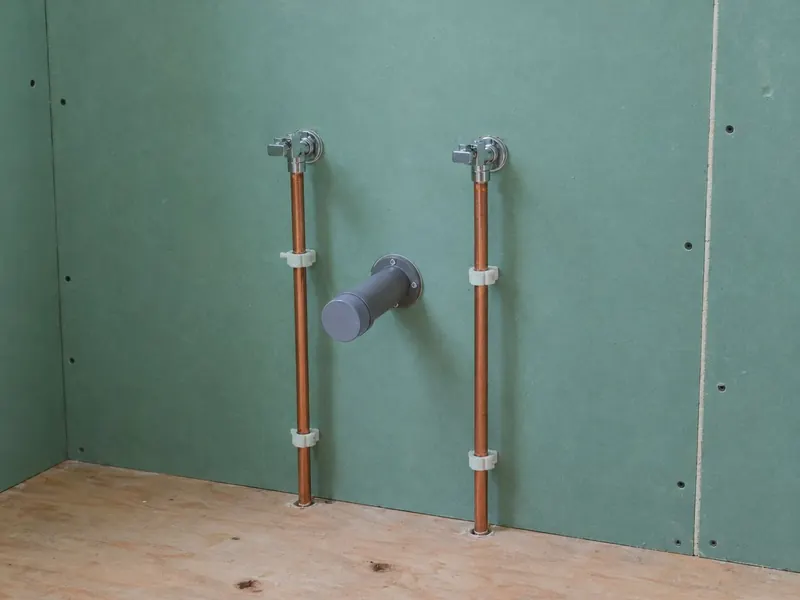
A shower is only as good as the water feeding it. A combi boiler or unvented cylinder gives mains pressure to a thermostatic mixer. A tank-fed system with a cold tank in the loft runs a mixer by gravity, often weakly, unless a power shower or pump boosts it. An electric shower heats cold mains water as it flows and needs nothing from the boiler, but it needs a heavy electrical supply of its own. Choose the wrong type and no shower head will put it right.

We install and replace showers of every common type, from a like-for-like swap that takes half a day to a new shower with a tray, enclosure and tiling over three days. Most jobs come in between £500 and £3,000 supplied and fitted, including VAT. At the survey we check your pressure, flow and hot-water system, and your consumer unit if an electric shower is involved, so you know before you buy whether it will perform.

What does a new shower with us include?

  • A check of your hot-water system, water pressure and flow rate
  • For an electric shower, a check of the consumer unit and whether a new dedicated circuit is needed
  • Supply and fitting of the shower valve or unit, riser rail, handset or fixed head
  • New pipework and isolation valves, plus a pump only where the system is gravity-fed from a cold tank
  • Electrical connection by a qualified electrician, tested and certified
  • A bath screen, tray or enclosure where the shower is new
  • Tiling or re-tiling around the shower, with tanking behind new tiles in the wet area
  • Removal of the old shower, a full-flow test and a handover on isolating and descaling it

How much does a new shower cost?

Our UK guide range is £450–£3,500 including VAT. Typical prices by kind of job:

Shower swap

£450–£1,000
  • Like-for-like mixer or electric shower
  • Existing supply and position
  • Test and handover

New shower with enclosure

£1,500–£3,500
  • Tray, enclosure and valve
  • Pipework and waste
  • Tiling to the enclosure

National guide prices including VAT, reviewed October 2026. London is typically about 25% higher and the North East, Wales and Northern Ireland around 7–12% lower. Your written quote after the survey is the price that counts.

What do you need to decide?

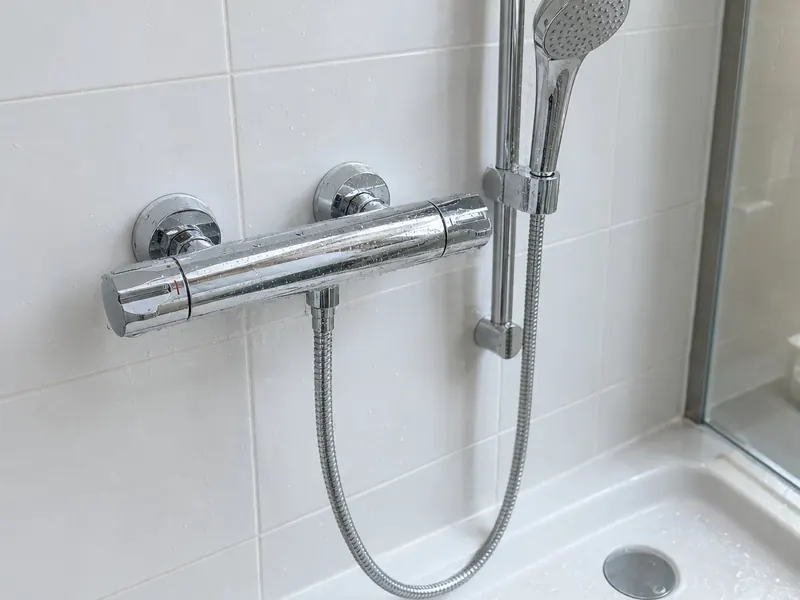
Thermostatic mixer

Blends hot and cold from your system and holds the temperature steady when someone runs a tap. The usual choice with a combi or an unvented cylinder.

Electric shower

Heats cold mains water as it flows, so it works without stored hot water. Higher kW units give more flow; 8.5 to 10.5 kW models need a dedicated circuit, often 40 to 45 amps.

Power shower

A mixer with a built-in pump, for tank-fed systems only. It lifts a weak gravity shower but must never be connected to the mains.

Digital shower

A wall panel sets the exact temperature and flow, while the mixing valve sits out of sight. It needs a power supply and suits a clean, concealed look.

Exposed or concealed

An exposed bar valve fixes onto the tiles and is easy to service. A concealed valve sits in the wall for a cleaner look but needs careful setting-out and a plan for access.

Head and handset

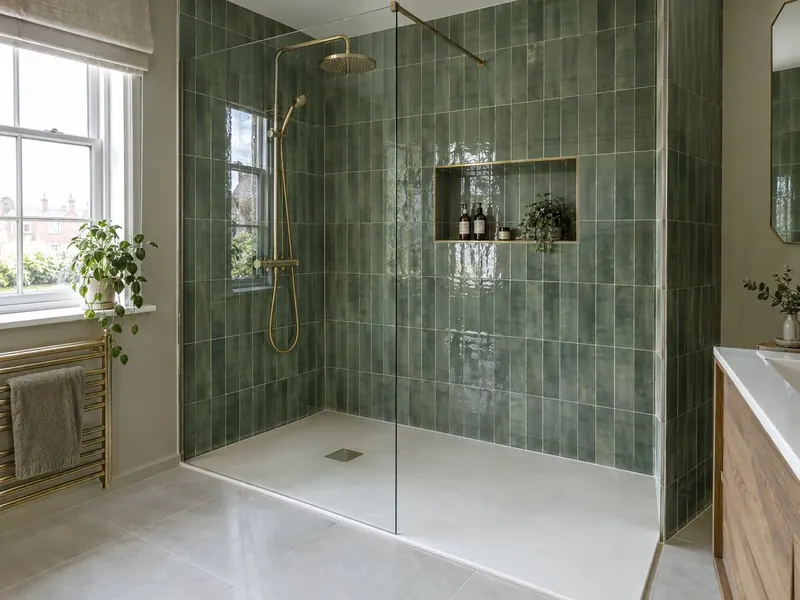
A handset on a riser rail is versatile and easy for rinsing; a fixed overhead head feels generous but needs strong flow behind it.
How does the job run?

  1. Check the system

    We look at your boiler or cylinder, test pressure and flow, and check the consumer unit if you want an electric shower.

  2. Recommend the type

    We recommend the shower type that will perform on your system and give you priced options in writing.

  3. Prepare the supply

    Pipework is run or adjusted, a pump goes in only on a gravity-fed system, and any new circuit is installed by an electrician.

  4. Fit and finish

    The valve, riser or head and any screen or enclosure go in, followed by tiling and sealing where needed.

  5. Test and hand over

    We run the shower at full flow, check the temperature control and look for leaks, then show you how to isolate it.

Who is it right for?

  • Weak or unreliable showers that swing between hot and cold
  • Bathrooms with a bath but no shower over it
  • Homes with limited stored hot water, where an electric shower makes sense
  • Anyone replacing a failed electric shower or a leaking valve

What should you watch out for?

  • Never let a shower pump be connected to the mains supply; pumps are for gravity systems with a cold tank only, and the water fittings rules do not allow it
  • A higher-powered electric shower may need a new cable and circuit rather than a straight swap, so check before you buy
  • A large rainfall head on a combi may run weak when someone opens another tap
  • A new shower over a bath needs a screen and tiling or wall panels around it, or the walls will get soaked

What rules apply to a new shower?

The water fittings regulations in each nation do not allow a pump to be connected directly to the mains supply; shower pumps are for gravity systems with a cold tank only. The shower must also be protected against water flowing back into the supply. Electrics must meet BS 7671, with 30 mA RCD protection and at least IPX4 fittings in zone 1, or IPX5 where water jets are used.

England

In England, an electric shower usually needs its own dedicated circuit, often 40 to 45 amps for an 8.5 to 10.5 kW unit, and a new circuit is notifiable under Part P. The Part G limit of 48 °C applies to a new bath in a new dwelling or one created by change of use, not to a shower, but a thermostatic valve gives similar protection. An unvented cylinder fitted to improve the shower must be installed by a G3-qualified installer.

Wales

In Wales, a new circuit for an electric shower is notifiable under the Welsh Part P, which covers more work than the English version. An unvented cylinder must be fitted by a G3-qualified installer.

Scotland

In Scotland there is no Part P, but a new shower circuit must still be designed, installed and certified to BS 7671. Water fittings, including pumps and backflow protection, are covered by the Scottish Water Byelaws 2014.

Northern Ireland

In Northern Ireland there is no Part P; electric shower circuits should be installed and certified to BS 7671. The Water Supply (Water Fittings) Regulations (Northern Ireland) 2009 cover pumps and backflow protection.

FAQ

Shower installation: your questions answered

How much does it cost to install a shower?

Shower installation typically costs £500 to £3,000 supplied and fitted, including VAT. A like-for-like swap of a mixer or electric shower is about £450 to £1,000; a new thermostatic bar shower over a bath with a screen and tiling £800 to £1,800; and a new shower with a tray, enclosure and pipework £1,500 to £3,500.

Which type of shower do I need?

The type depends on your hot-water system. With a combi boiler or unvented cylinder, a thermostatic mixer on mains pressure is usually right. With a cold tank and hot cylinder, a mixer runs by gravity, or a power shower or pump can boost it. If hot water is limited, an electric shower heats cold mains water as you use it. Our guide to choosing a shower goes further.

Does an electric shower need its own circuit?

Almost always. An electric shower draws a large current, so it needs a dedicated circuit from the consumer unit, often 40 to 45 amps for an 8.5 to 10.5 kW unit, with RCD protection. In England and Wales a new circuit is notifiable work. Swapping like for like onto an adequate existing circuit is simpler.

Can I fit a shower pump with a combi boiler?

No. A combi boiler takes its water from the mains, and connecting a pump directly to the mains supply is not allowed under the water fittings regulations. Shower pumps are only for gravity systems with a cold tank. If a combi shower is weak, the cause is usually the incoming flow, the boiler output or the head, not something a pump can fix.

How long does it take to install a shower?

A like-for-like swap usually takes half a day. A new shower over a bath with a screen and tiling takes one to two days, and a new shower with a tray and enclosure up to three days. A new electric shower circuit adds time for the electrician.

Why does my shower keep going hot and cold?

Usually because it is a manual mixer without thermostatic control, so when someone runs a tap or flushes a toilet, the balance of hot and cold changes. A thermostatic valve corrects for this automatically. On an electric shower, scale build-up or a failing part can cause the same symptom.

Can you replace an electric shower with a mixer?

Yes, if your hot-water system can supply it. That means running hot and cold pipes to the shower position and making the old shower circuit safe or reusing it. It is worth doing if you have a combi or unvented cylinder with good flow.

What is a digital shower?

A digital shower has a control panel on the wall and a mixing valve hidden in a loft, cupboard or behind a panel. You set the exact temperature and flow, and some models can be started remotely. It needs an electrical supply, and versions are made for both mains-pressure and gravity systems.

Ready for a bathroom that fits properly?

Book a free home survey. You get a measured layout and an itemised written quote before any work starts.